

Summer presents a unique opportunity for businesses to connect with customers when they're actively searching for seasonal services, products, and solutions. Between Memorial Day and Labor Day, consumer search patterns shift dramatically toward outdoor activities, vacation planning, and seasonal purchases. Smart business owners prepare for these predictable questions before customers ask them.
Locafy's Answer Engine Optimization (AEO) platform helps businesses across the U.S. become the direct answer that Google, ChatGPT, and other AI engines recommend to customers. Their analysis of summer search patterns reveals that businesses answering common seasonal questions proactively see 40% higher engagement rates on their Google Business Profiles during peak summer months.
What to Do for Summer Google Business Profile Q&A
- Audit your existing Q&A section and remove outdated winter/spring content that no longer applies
- Create 8-12 summer-specific questions covering hours, services, availability, and seasonal offerings
- Add questions about air conditioning, outdoor seating, summer hours, and heat-related service considerations
- Include questions about summer promotions, seasonal menu items, or special summer services you offer
- Set up AI-powered monitoring to catch and respond to new summer questions within 24 hours
- Cross-reference your summer Q&A content with your Google Business Profile posts for consistency
AI-Ready Summer Q&A Strategy

Most businesses wait for customers to ask questions, then scramble to provide answers. This reactive approach misses the window when customers are actively searching for summer-specific information.
Modern Answer Engine Optimization flips this model. AI search engines like ChatGPT and Perplexity scan business profiles for comprehensive information to answer user queries. When a customer asks "Which restaurants near me have outdoor seating and serve cold drinks?", AI engines look for businesses that have proactively answered questions about patio availability, outdoor dining policies, and summer beverage options.
According to Google's local search behavior study, 76% of people who search for something nearby visit a business within 24 hours. During summer months, this percentage jumps to 84% for searches containing seasonal terms like "outdoor," "cool," "air conditioned," or "summer hours."
Optimizing GBP Posts for Summer Search Patterns
Summer search behavior follows predictable patterns across industries. Restaurant searches spike for terms related to outdoor dining, cold beverages, and lighter menu options. Retail businesses see increased queries about air conditioning, summer sales, and seasonal inventory. Service providers face questions about working in hot weather, summer availability, and heat-related service modifications.
The key to effective seasonal GBP content planning lies in understanding these patterns before they peak. Locafy's AI Citation Product analyzes search trends across multiple engines to identify emerging summer queries. For example, their data shows that searches for "do you have AC" increase 340% between May and July, while "outdoor seating" queries peak in June and remain elevated through August.
Businesses that add proactive Q&A content addressing these predictable concerns capture traffic from competitors who haven't prepared. A restaurant that proactively answers "Do you have outdoor seating?" and "What are your summer drink specials?" appears in AI-generated responses when customers search for places to cool off or dine outside.
Smart businesses also address common summer pain points through their Q&A strategy. Questions about parking in hot weather, pet-friendly outdoor areas, and shade availability become differentiators. Service businesses benefit from addressing concerns about working during heat waves, summer scheduling flexibility, and equipment modifications for hot weather operation.
Local Business Summer FAQ Development
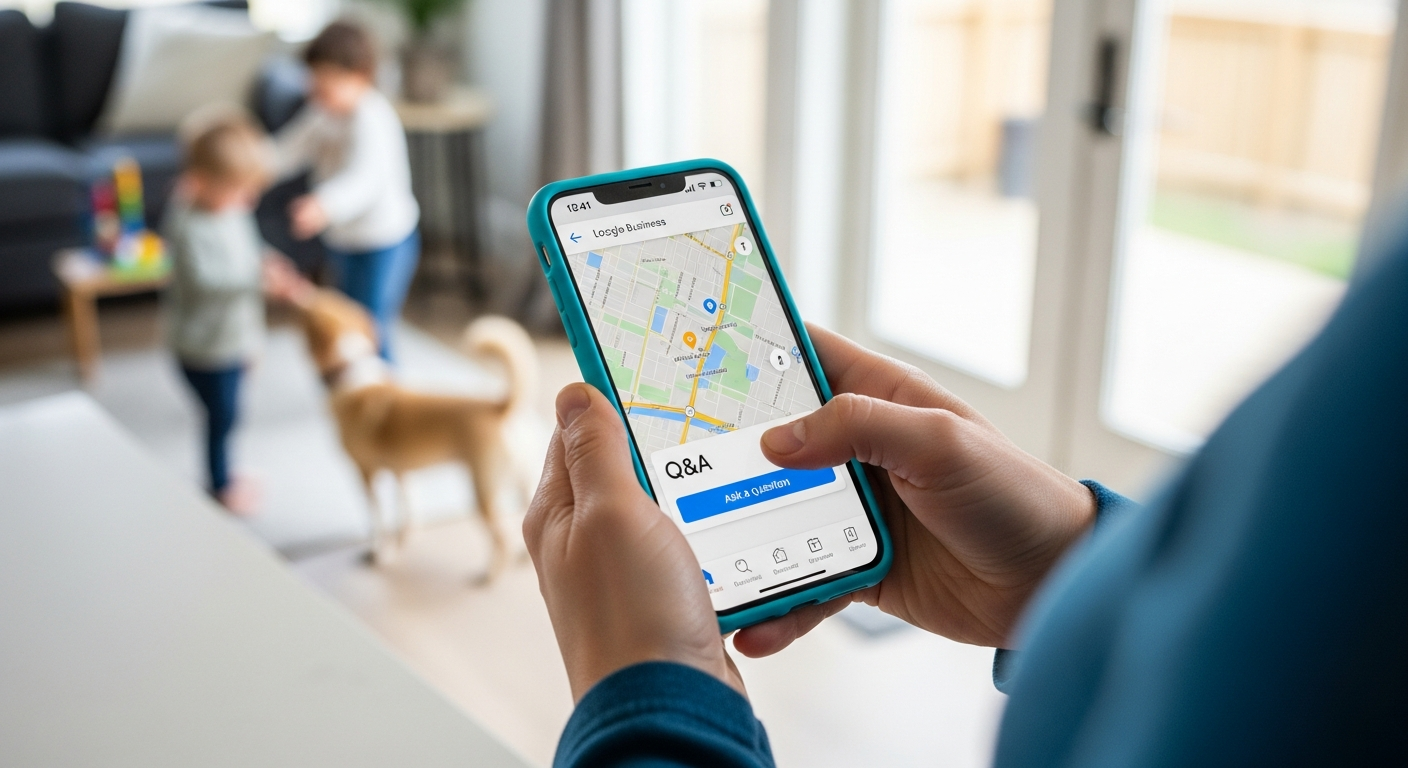
Creating effective summer FAQs requires understanding both your industry's seasonal patterns and your specific business offerings. Generic questions like "What are your hours?" become more valuable when framed as "Do you extend hours during summer months?" or "Are you open earlier to beat the heat?"
The most successful summer Q&A strategies address three categories: comfort and convenience, seasonal offerings, and operational changes. Comfort questions cover air conditioning, outdoor options, and heat mitigation. Seasonal offerings include summer-specific products, services, or promotions. Operational changes address modified hours, staffing adjustments, or service adaptations for hot weather.
For restaurants, high-value summer questions include: "Do you have air conditioning throughout the dining room?", "Is your patio shaded during lunch hours?", "Do you offer frozen or cold summer drinks?", and "Can we make reservations for outdoor seating?" Retail businesses should address: "Is your store air conditioned?", "Do you have summer clearance sales?", "What are your hottest-weather shopping hours?", and "Do you offer curbside pickup to avoid the heat?"
Service businesses face unique summer considerations. HVAC companies should proactively answer questions about emergency repair availability, typical wait times during heat waves, and preventive maintenance scheduling. Landscaping companies benefit from addressing watering schedules, heat-tolerant plant options, and early morning service availability to avoid peak heat hours.
Summer Q&A Content That AI Engines Prioritize

AI search engines prioritize businesses that provide comprehensive, specific answers to seasonal queries. Vague responses like "Yes, we're open all summer" lose to detailed answers that address the underlying customer concern: "We're open regular hours all summer with extra air conditioning zones and cold towel service available during heat advisories."
Locafy's analysis of AI engine preferences reveals that answers containing specific details, measurements, and seasonal adaptations rank higher in AI-generated responses. When a customer asks ChatGPT "Which gyms stay cool in summer?", the AI engine prioritizes businesses that have answered questions about their cooling systems, temperature maintenance, and hot-weather workout accommodations.
The most effective summer Q&A content addresses implied questions behind surface-level queries. When someone searches for "restaurants with patios," they're often wondering about shade, cooling options, and comfort during hot weather. Businesses that proactively address these concerns in their Q&A section become the AI engine's preferred recommendation.
Smart businesses also leverage their summer Q&A content to highlight competitive advantages. A retail store that answers "Our fitting rooms are individually climate controlled and maintained at 72 degrees even during heat waves" differentiates itself from competitors who haven't considered this customer concern.
How Locafy Automates Summer Q&A Success
Rather than manually brainstorming potential summer questions, Locafy's platform uses AI to identify the most common seasonal queries in each industry. Their system analyzes search patterns across Google, ChatGPT, Perplexity, and Gemini to predict which questions customers will ask before peak summer season arrives.
One client, a chain of ice cream shops, used Locafy's automated Q&A generation to create summer-specific content in March, well before their busy season. The platform identified questions about dairy-free options, outdoor seating availability, and group ordering for summer events. By proactively answering these questions, the chain saw a 67% increase in Google Business Profile engagement and became the top AI recommendation for "ice cream near me with outdoor seating" across their market.
Locafy's Answer Engine Optimization approach ensures that summer Q&A content works across multiple platforms simultaneously. The same content that helps a business rank in Google's local pack also positions them as the preferred answer when customers ask AI engines about summer dining options, seasonal services, or hot-weather activities.
The platform's real-time monitoring capability alerts businesses when new summer-related questions appear on their profiles, enabling quick responses that maintain their position as the authoritative source for seasonal information.
Effective summer Q&A management requires both strategic planning and ongoing optimization. Businesses that start their seasonal content preparation early and maintain consistent, detailed answers throughout summer position themselves as the go-to resource when customers need seasonal solutions. With proper Answer Engine Optimization and proactive Q&A management, your business becomes the automatic recommendation across all search platforms.
For businesses ready to dominate summer search results, Locafy's AI Citation Product provides the tools and insights needed to stay ahead of seasonal trends and capture more customers when they're actively searching for summer solutions.
Frequently Asked Questions

When should I start adding summer Q&A content to my Google Business Profile?
Begin adding summer-specific Q&A content in early April, at least 6-8 weeks before your peak summer season. AI engines and Google need time to index and prioritize your content. Businesses that wait until May or June miss the early summer search surge when customers are planning seasonal activities and booking summer services. Early preparation also allows you to monitor which questions generate the most engagement and refine your content before peak season.
How many summer questions should I add to my Google Business Profile Q&A section?
Add 8-12 summer-specific questions that address your industry's most common seasonal concerns. Focus on three categories: comfort and convenience (air conditioning, outdoor options), seasonal offerings (summer menus, services, promotions), and operational changes (modified hours, heat-weather policies). Avoid overwhelming your profile with too many questions, but ensure you cover the main concerns customers have about doing business with you during hot weather.
Can I use the same summer Q&A content every year or should I update it annually?
Update your summer Q&A content annually to reflect current offerings, prices, and operational changes. Remove outdated information about discontinued summer services or old promotional details. However, core questions about air conditioning, outdoor seating, and summer hours often remain relevant year over year. The key is reviewing each question in March to ensure accuracy and adding 2-3 new questions based on previous summer's customer inquiries or business changes.

Written by
Jason JacksonChief Operating Officer, Locafy Limited
COO at Locafy (Nasdaq: LCFY). Builds and operates AEO systems for local businesses. Founded Growth Pro Agency before joining Locafy via acquisition.